Goal
Improve usability of the Virtusphere — a semi-natural VR locomotion device — by designing a visual aid that helps users acclimate to its unfamiliar forces and movement dynamics before using it independently.
Challenge
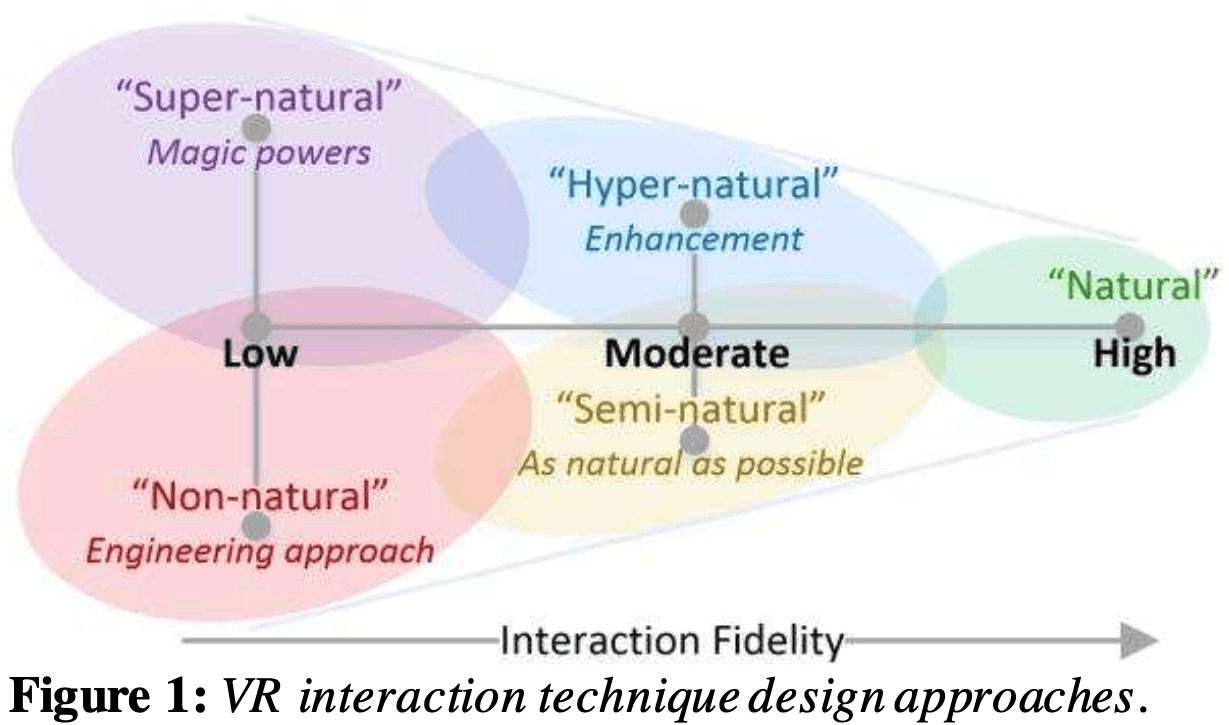
The Virtusphere presents itself as a natural walking interface, but its inertia and curved surface create forces fundamentally different from real walking — causing users to lose balance, fall, and struggle with control
Prior work showed training can help, but no targeted visual intervention had been tested
Approach
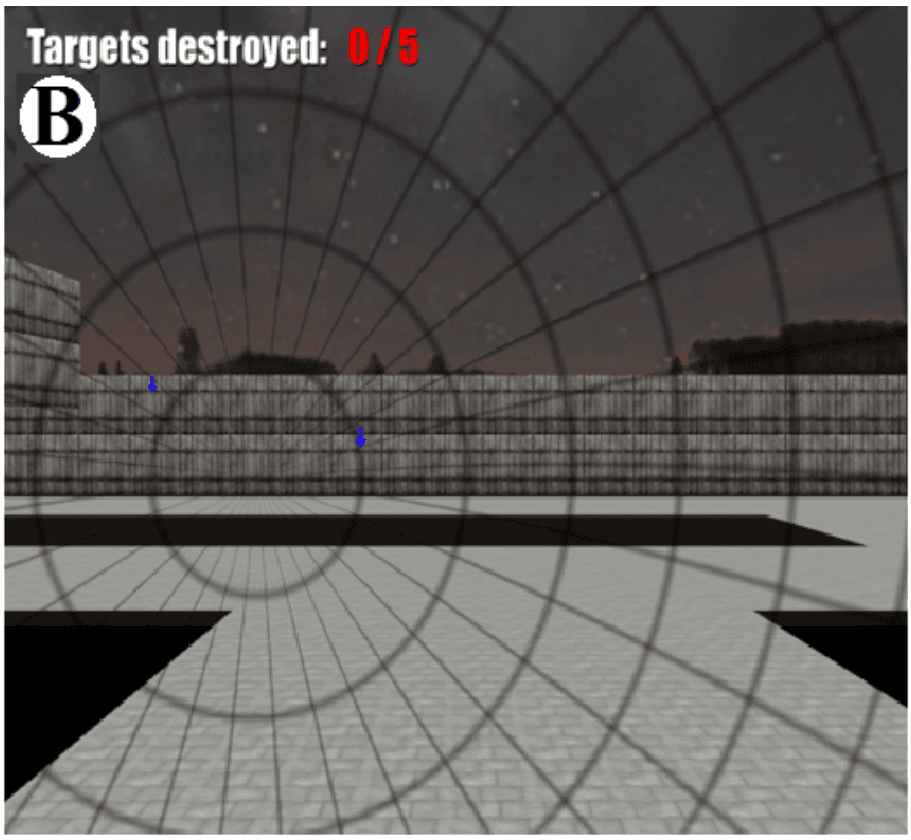
Designed a virtual sphere overlay (inspired by Super Monkey Ball) that rotates in sync with the device, reframing the mental model from "walking" to "rolling a ball"
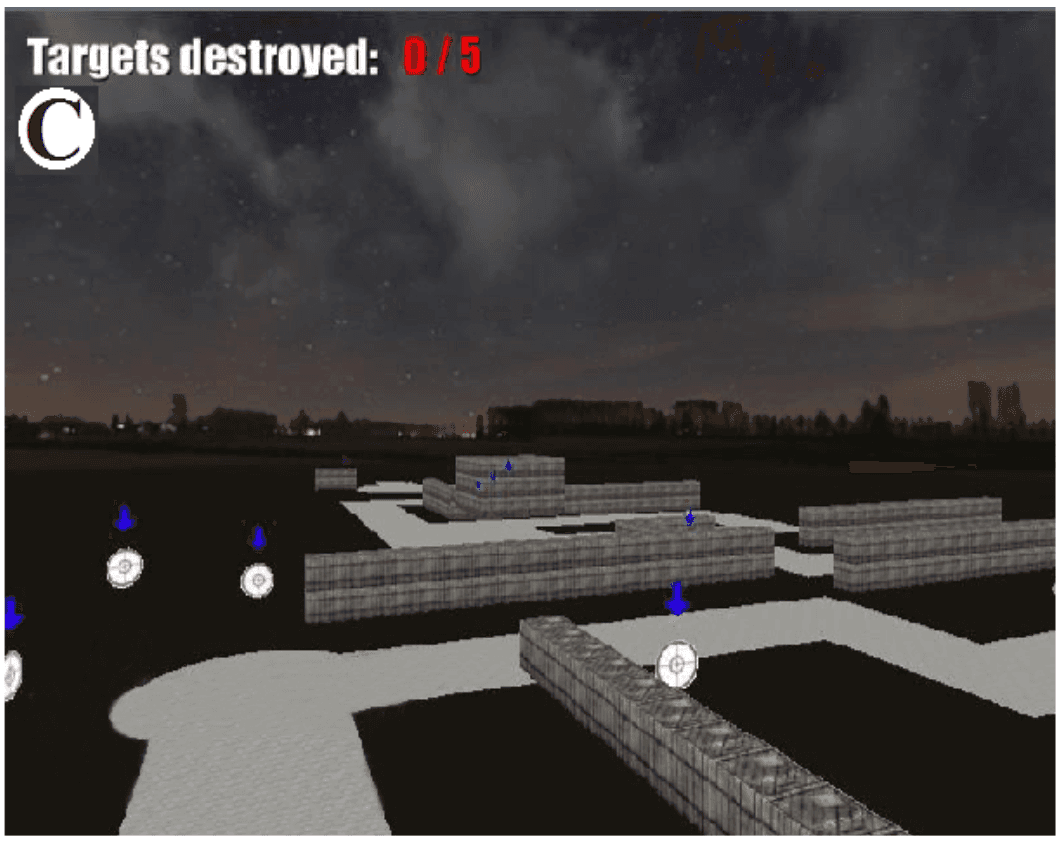
Tested with 24 participants (13F, 11M) in a between-subjects design: 12 used the visual aid during acclimation, 12 did not
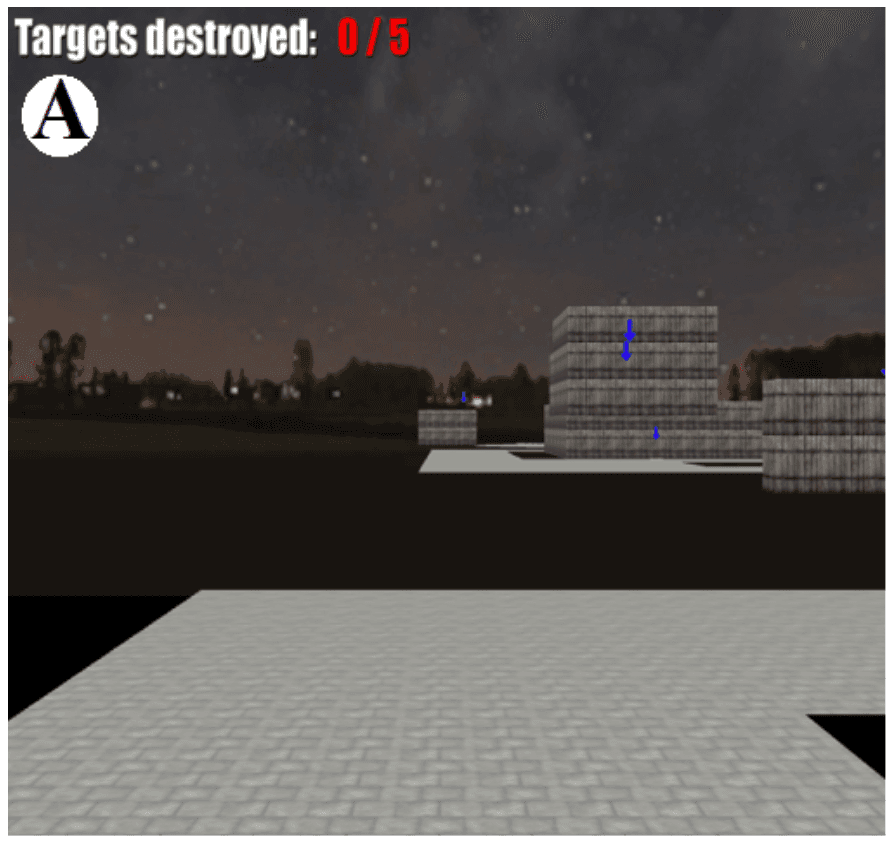
Both groups then completed identical assessment courses without the visual aid, measuring transfer of learning
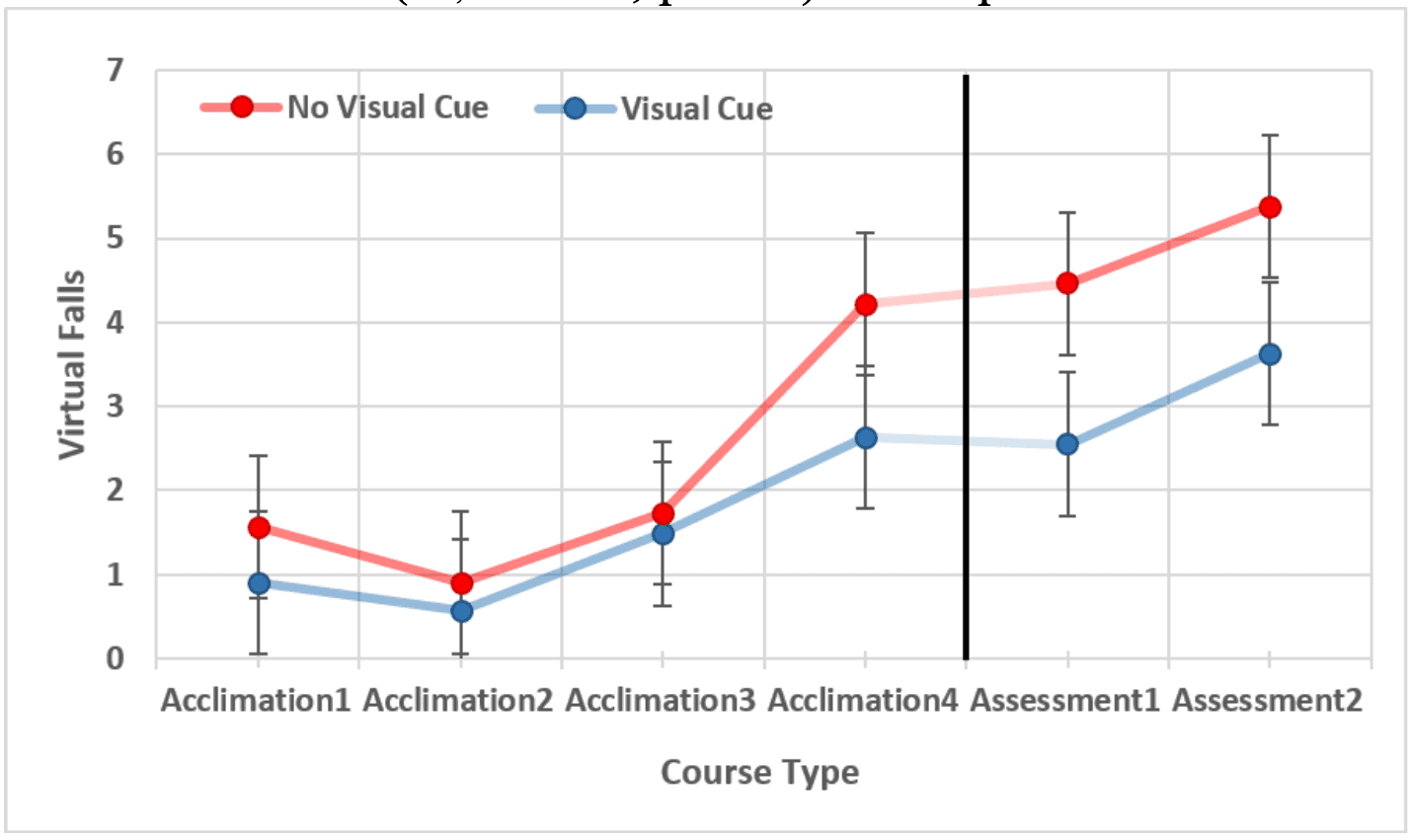
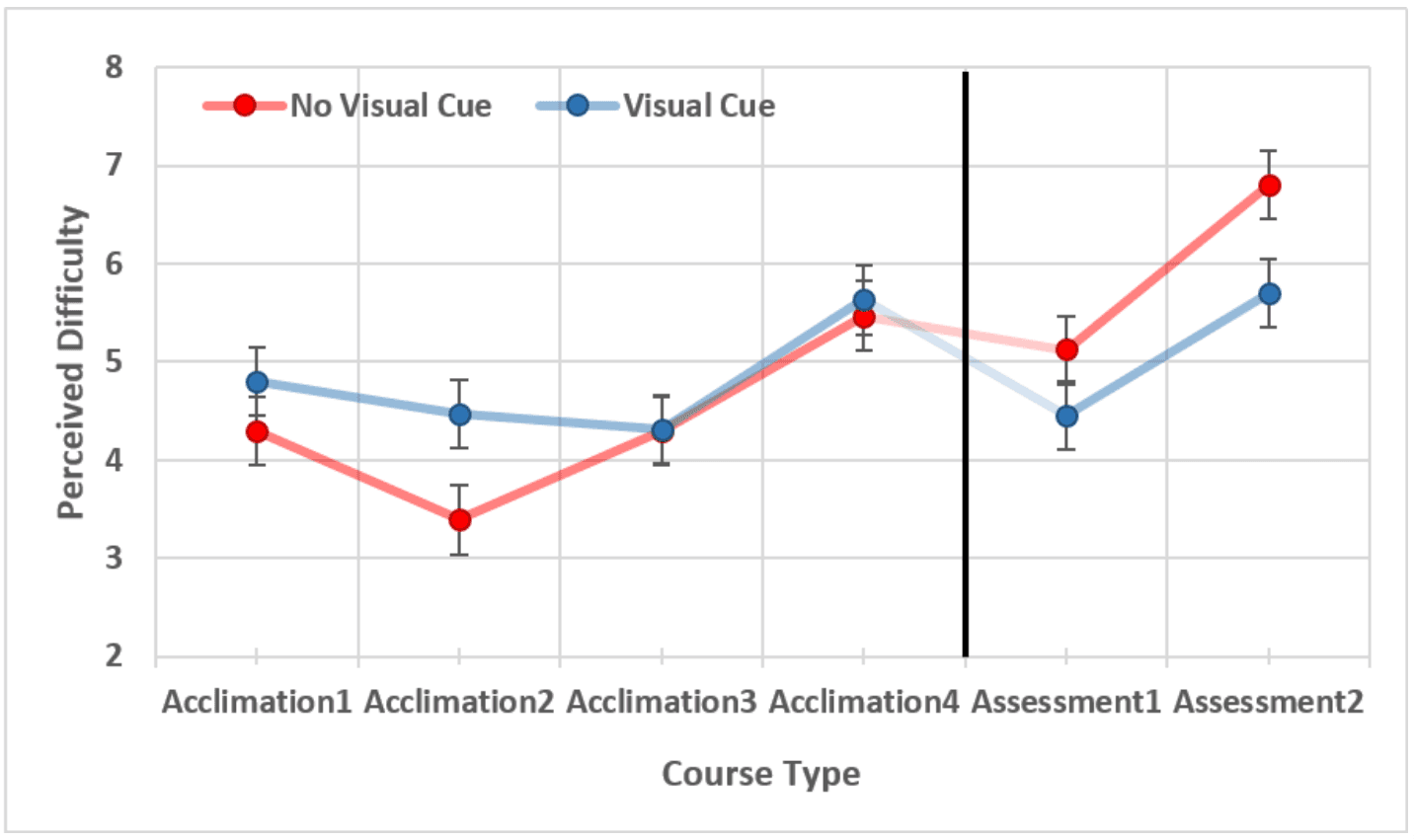
Measured virtual falls, completion time, physical falls, perceived difficulty, and simulator sickness
My Role
Lead researcher responsible for visual cue design, experiment design, study execution, and analysis.
Key Findings
Visual cue group had 35% fewer virtual falls on average (1.96 vs. 3.04 per course, p=0.0017)
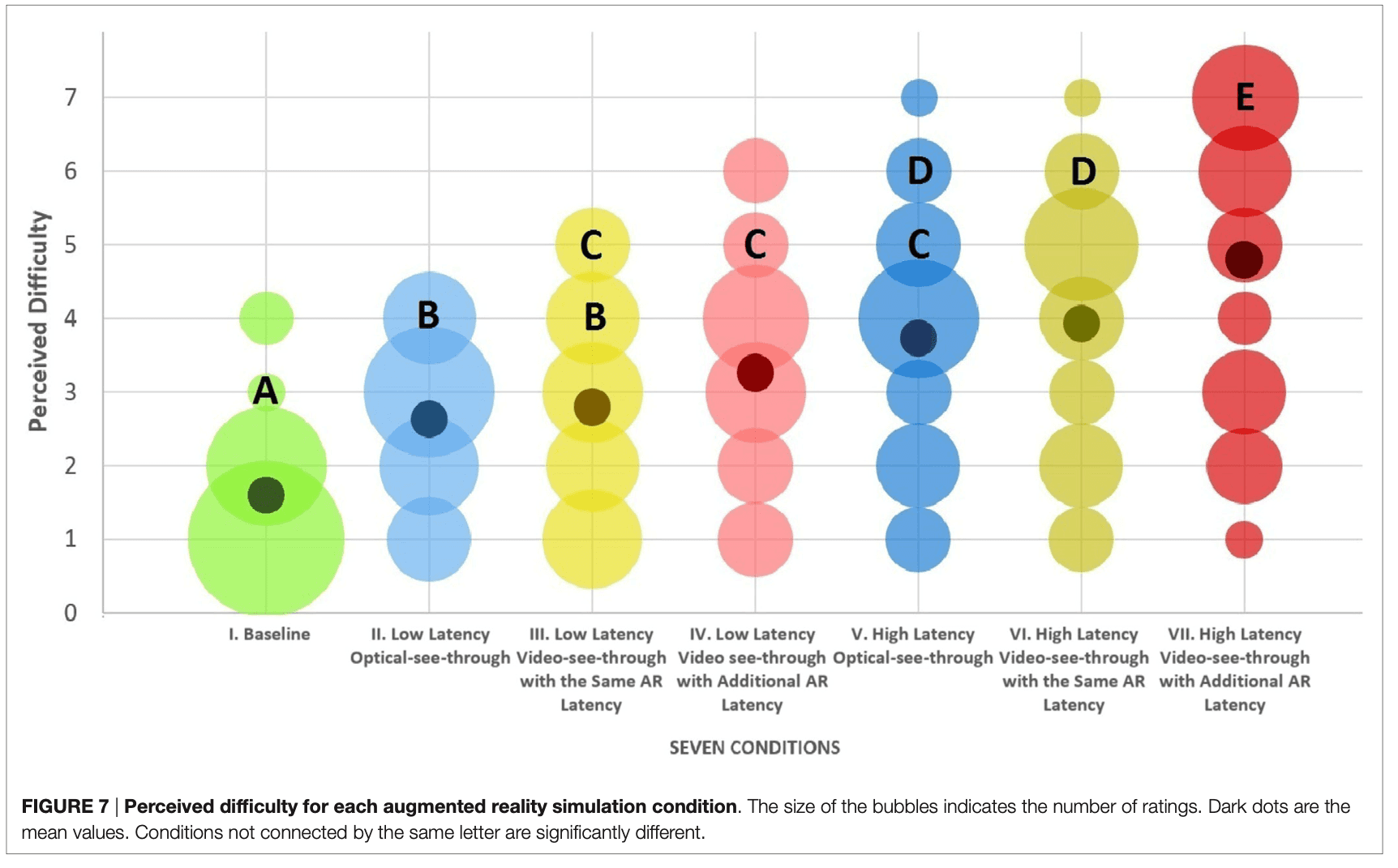
Significantly lower perceived difficulty in assessment tasks after acclimation with visual cue (p=0.044)
No negative effects on walking speed or physical balance
Despite the performance benefit, most users disliked the visual cue — describing it as distracting and obstructive, earning it the nickname "vegetable cue"
Key insight: effective onboarding aids don't need to be preferred by users to meaningfully improve performance