
Goal
Understand whether hyper-natural locomotion techniques — those intentionally designed to enhance users' abilities beyond real walking — can match or outperform fully natural techniques in VR.
Challenge
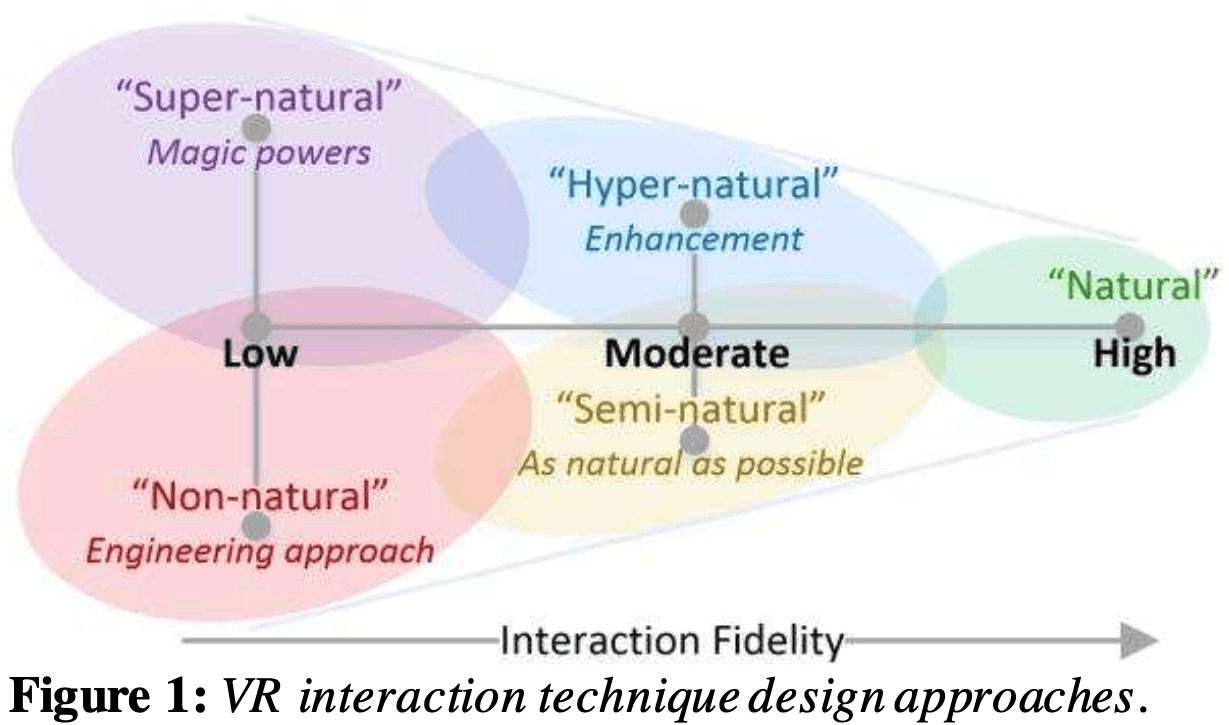
Prior work showed semi-natural techniques underperform due to fidelity mismatches, but hyper-natural techniques occupy the same moderate-fidelity zone with a different intent. No study had evaluated their effects across multiple performance dimensions simultaneously, or isolated which specific fidelity components drive those effects.
Approach
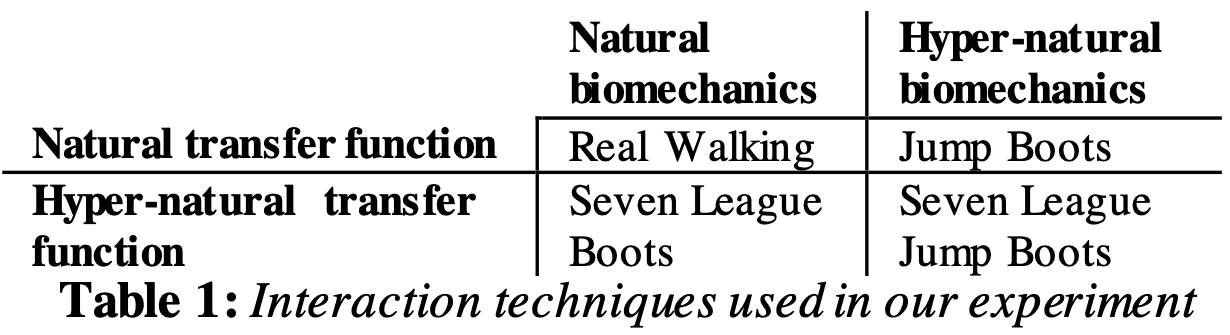
Controlled experiment with 24 participants (17M, 7F) comparing 4 locomotion techniques across 2 fidelity components:
Technique | Biomechanics | Transfer Function |
|---|---|---|
Real Walking (RW) | Natural | Natural |
Seven League Boots (7L) | Natural | Hyper-natural |
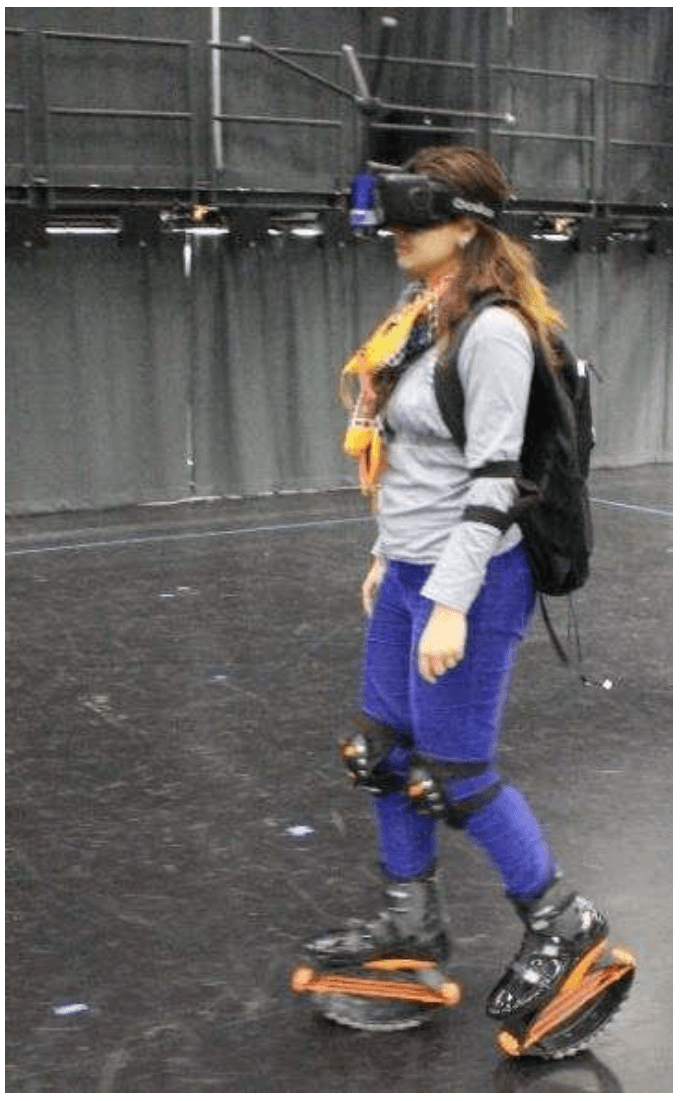
Jump Boots (JB) | Hyper-natural | Natural |
Seven Jump Boots (7JB) | Hyper-natural | Hyper-natural |
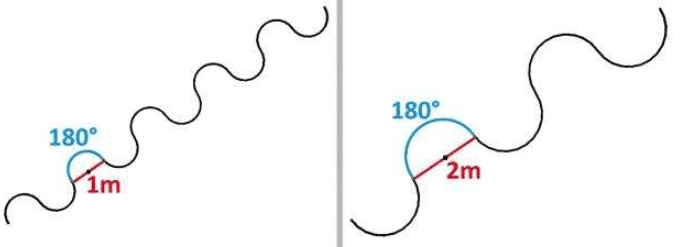
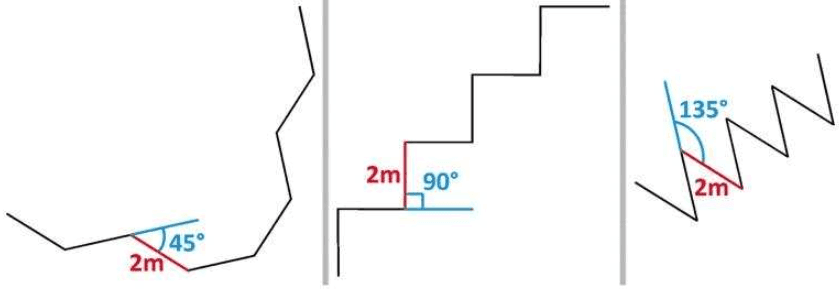
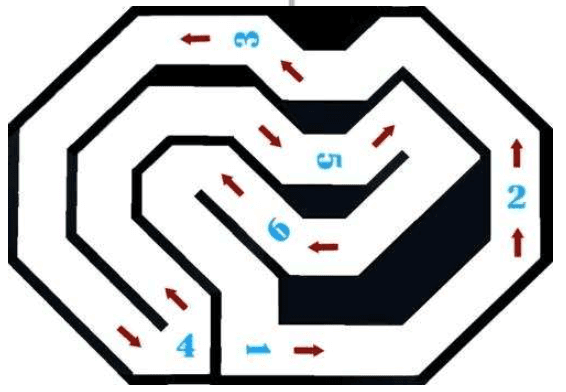
Evaluated across 8 metrics: accuracy, speed control, max speed, spatial awareness, comfort, user experience, fatigue, and ease of use — using a newly designed locomotion testbed with 6 path types.
My Role
Lead researcher responsible for study design, technique implementation, testbed development, and analysis.
Key Findings
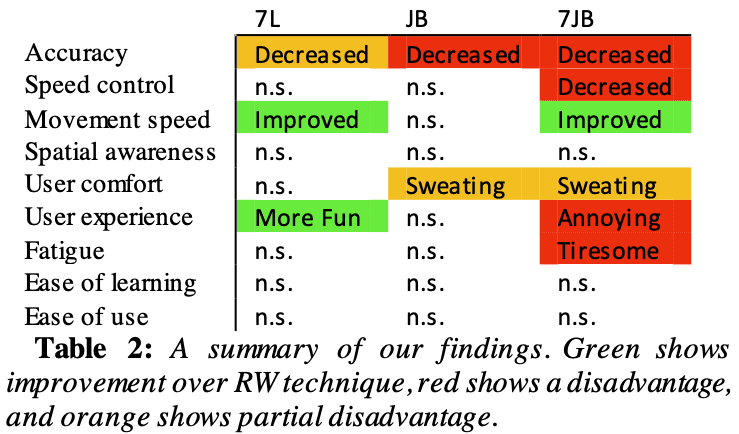
Seven League Boots significantly increased max movement speed (p=0.0081) and was rated more fun — with no spatial awareness cost
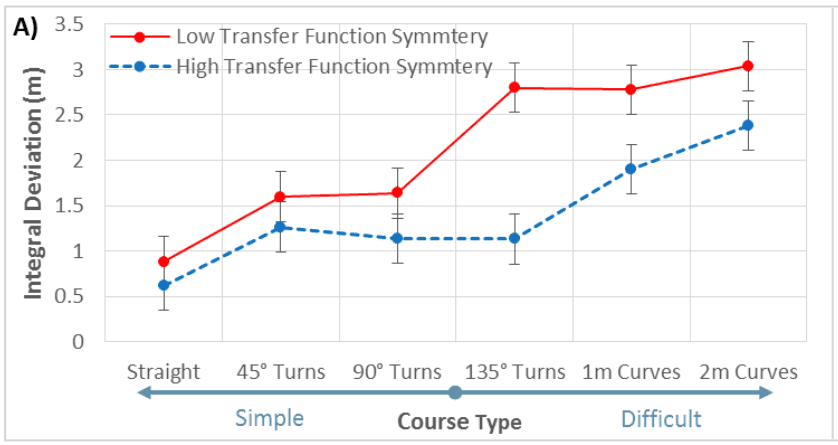
However, 7L was significantly less accurate on complex paths like tight curves and 135° turns (p<0.0001)
Jump Boots hurt accuracy by ~22% (mean deviation: 1.94m vs 1.59m, p<0.0001) with no speed benefit — real-world biomechanical aids do not transfer to VR
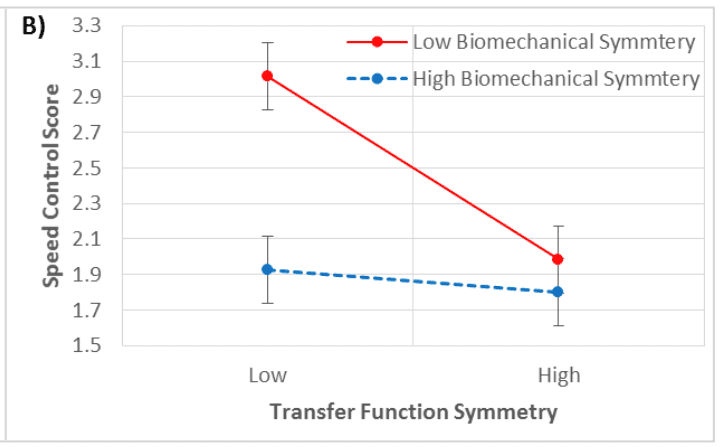
Combining both hyper-natural components (7JB) was the worst outcome — significantly worse speed control, more annoying, and more tiring
Key insight: hyper-natural transfer functions are adaptable; hyper-natural biomechanics are not — designers should treat these as independent levers with very different risk profiles