Disclaimer: This page reflects my personal perspective and does not represent Apple. All visuals are sourced from publicly available materials and are used for demonstration purposes only. No proprietary content is included.
Overview
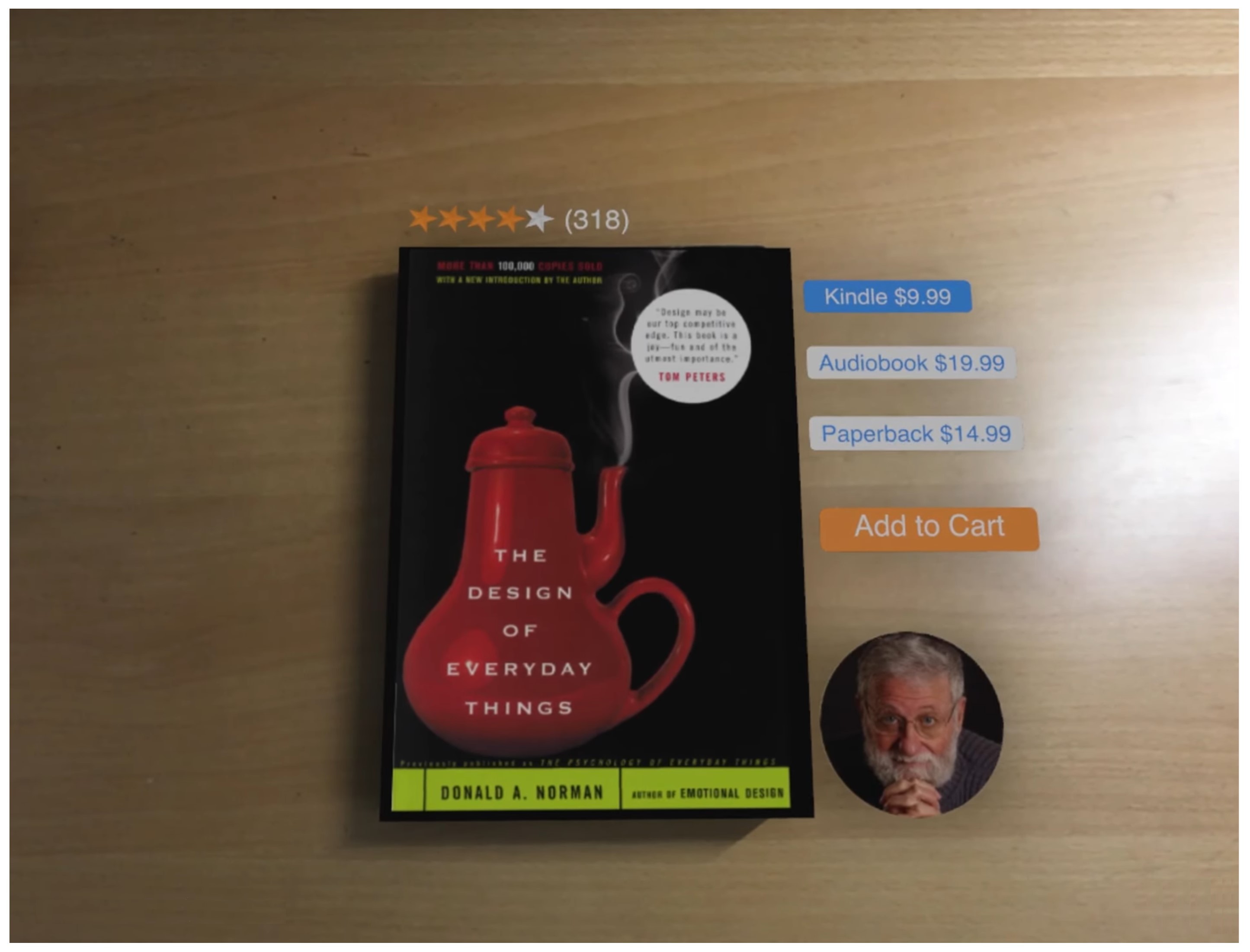
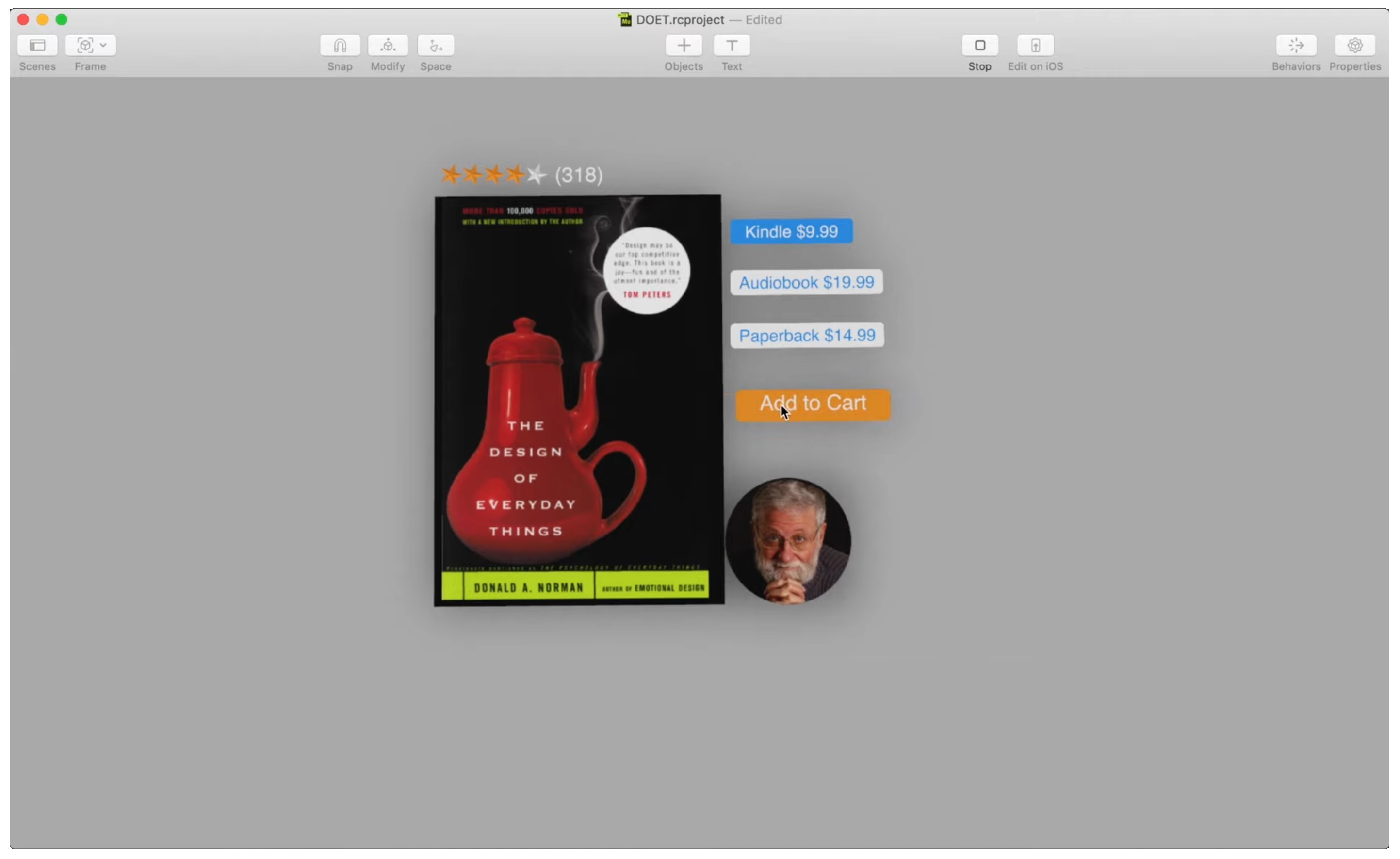
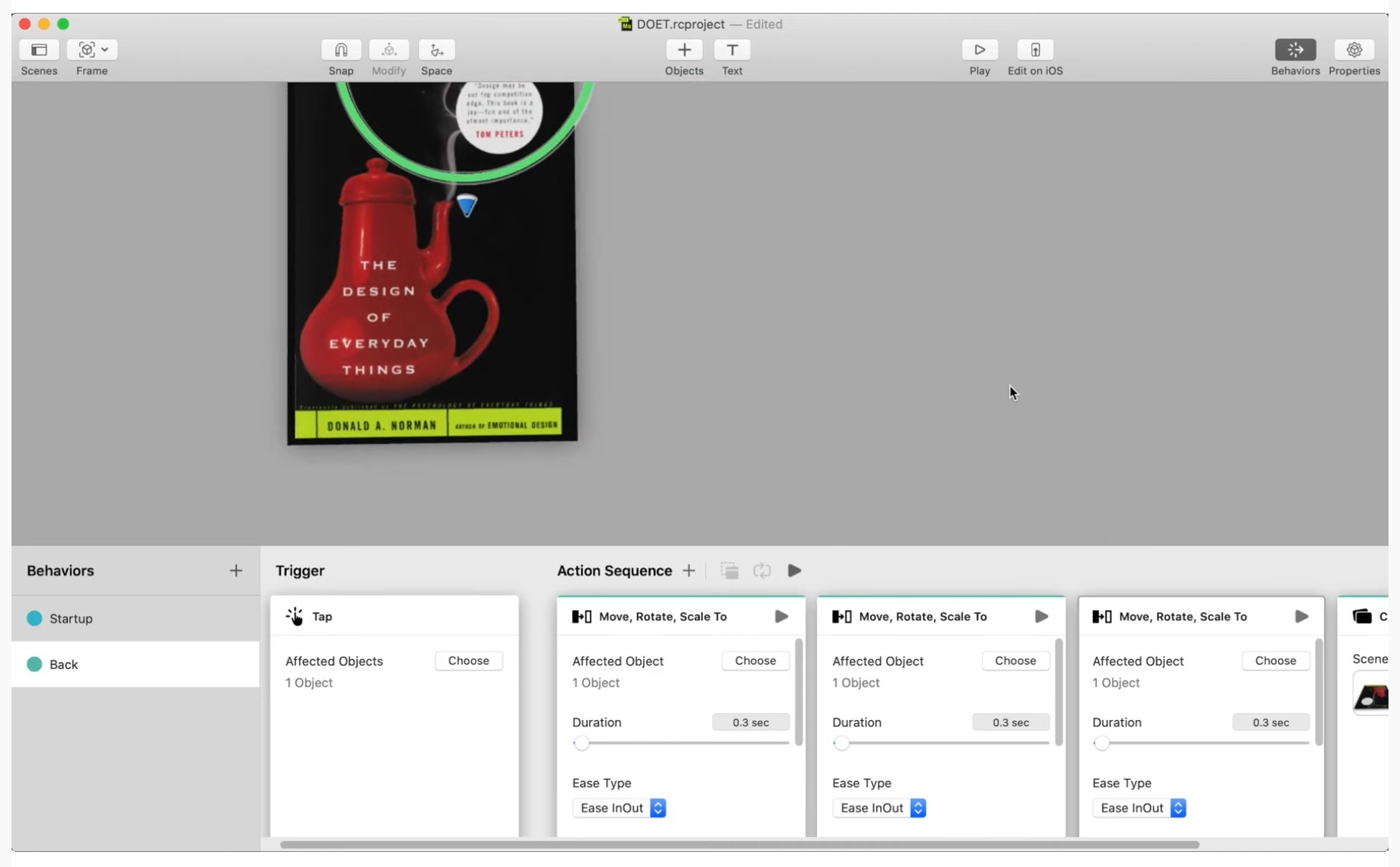
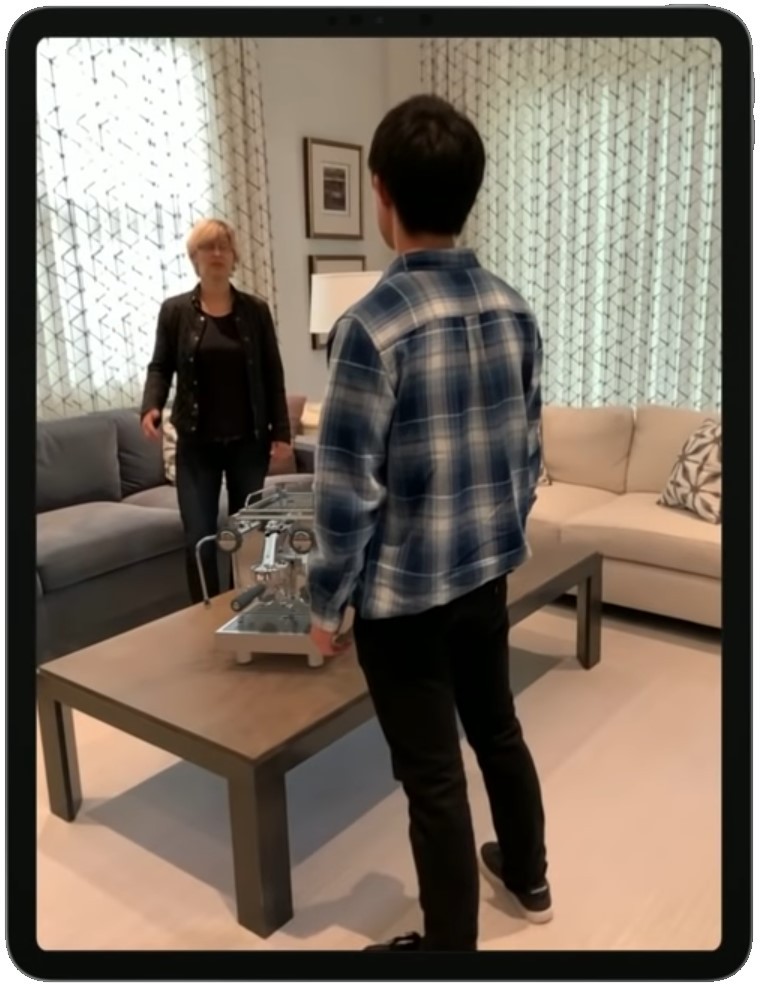
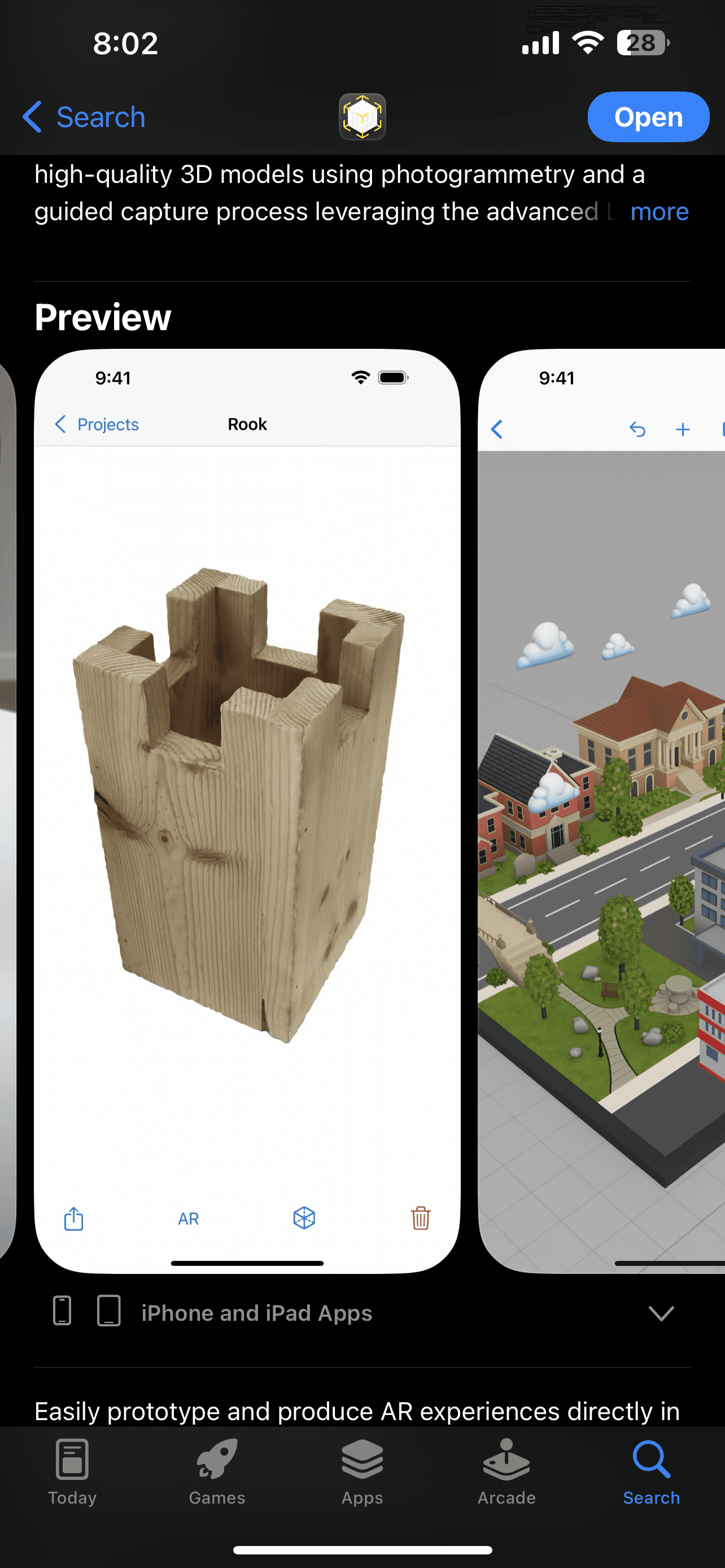
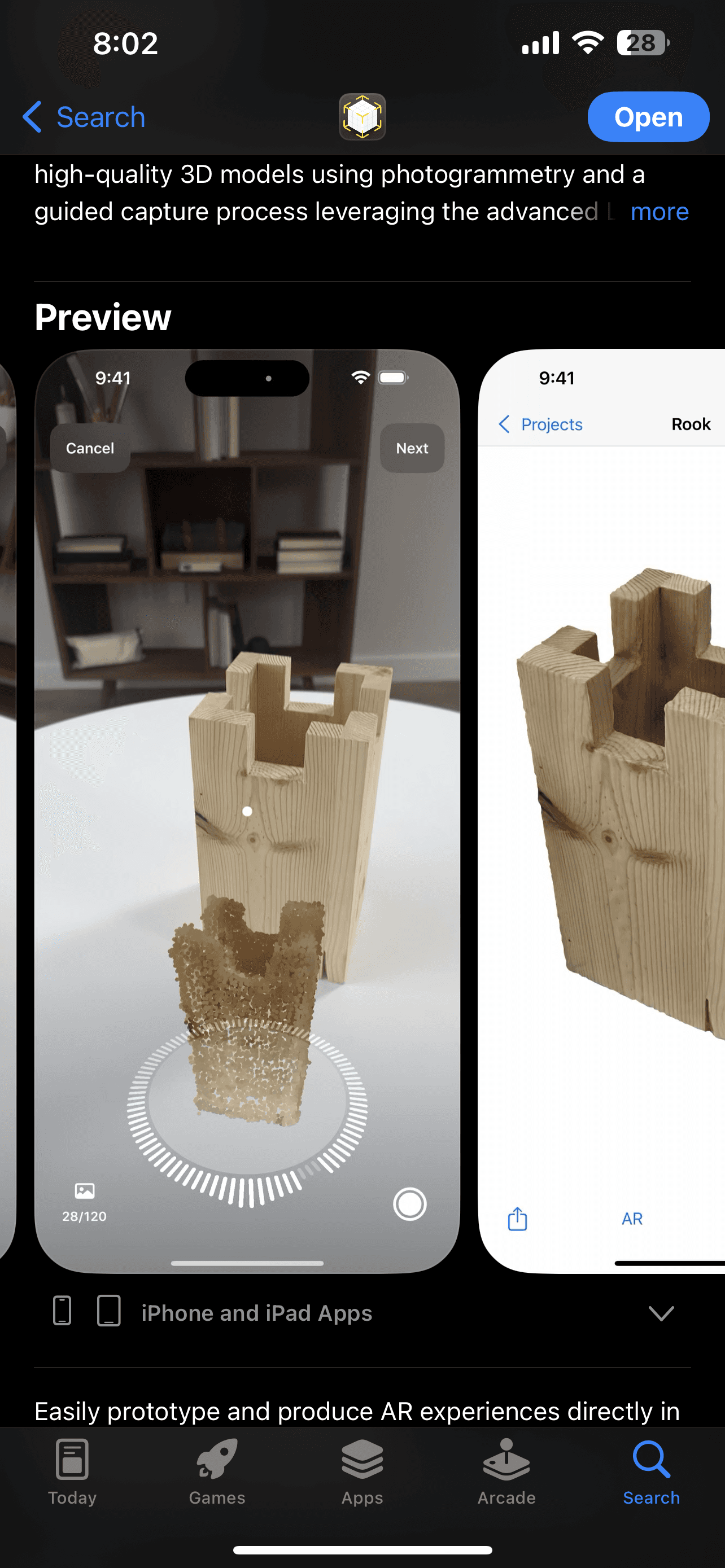
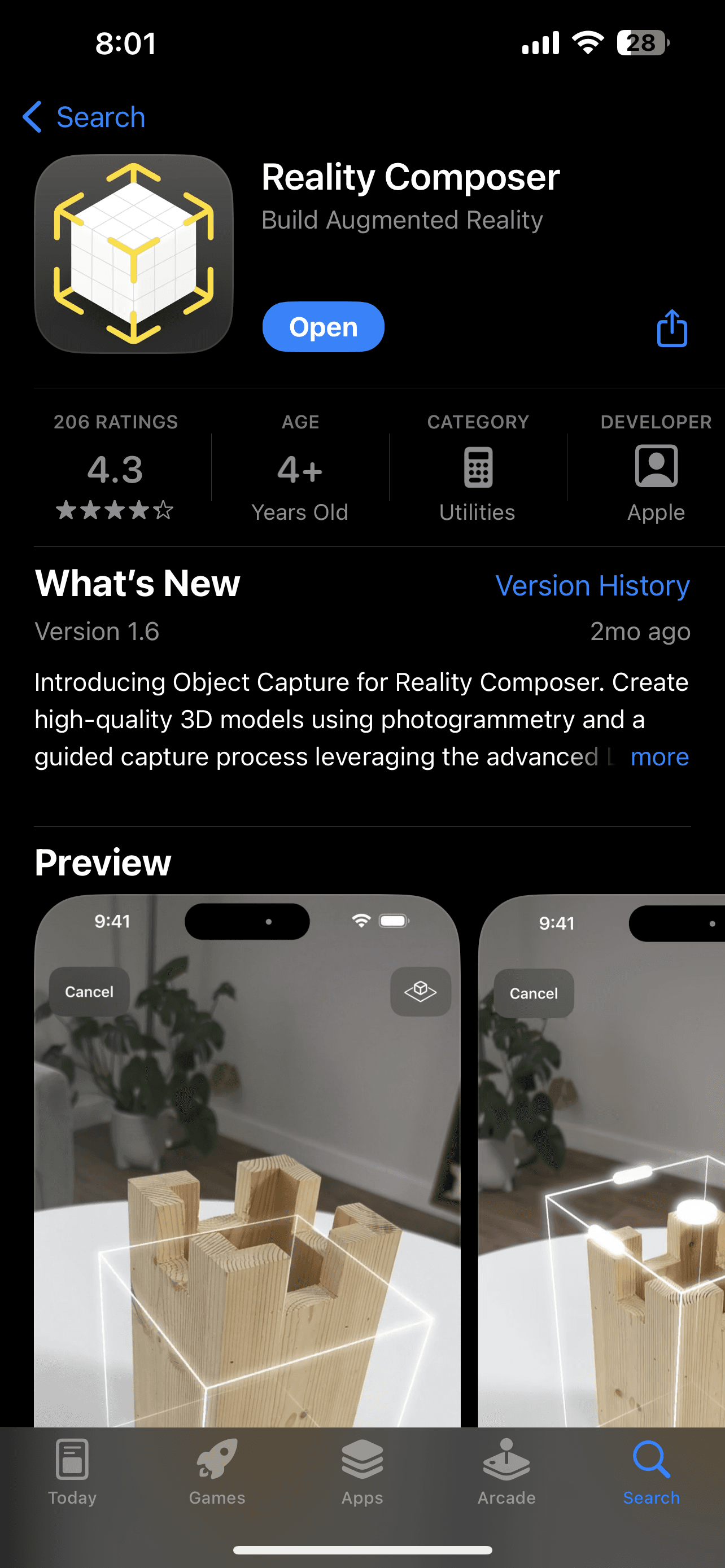
Reality Composer enables users to build AR experiences without deep technical knowledge.
The goal was to design a 3D interaction system that is intuitive, precise, and scalable.
The Challenge
3D manipulation introduces cognitive and perceptual challenges. Users often struggle with:
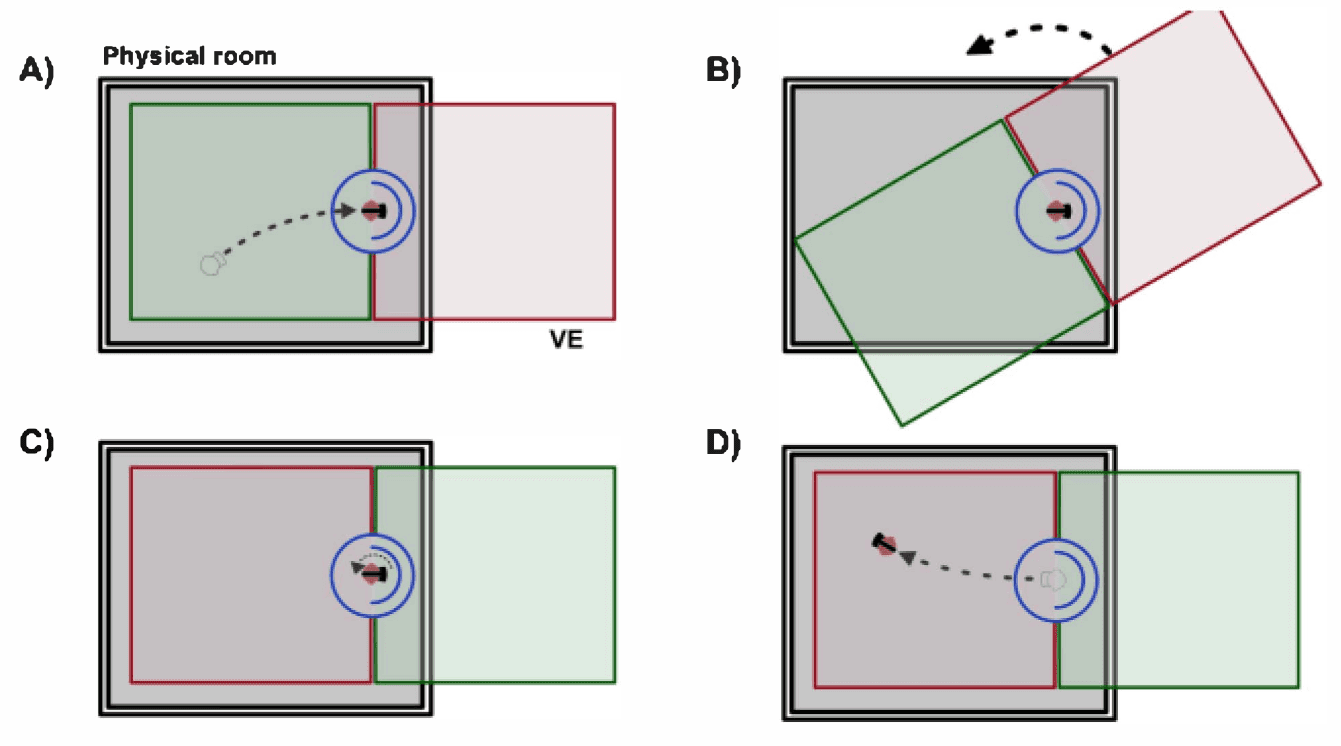
Depth understanding
Precision control (translate, rotate, scale)
Lack of clear feedback during interaction
High cognitive load
Approach
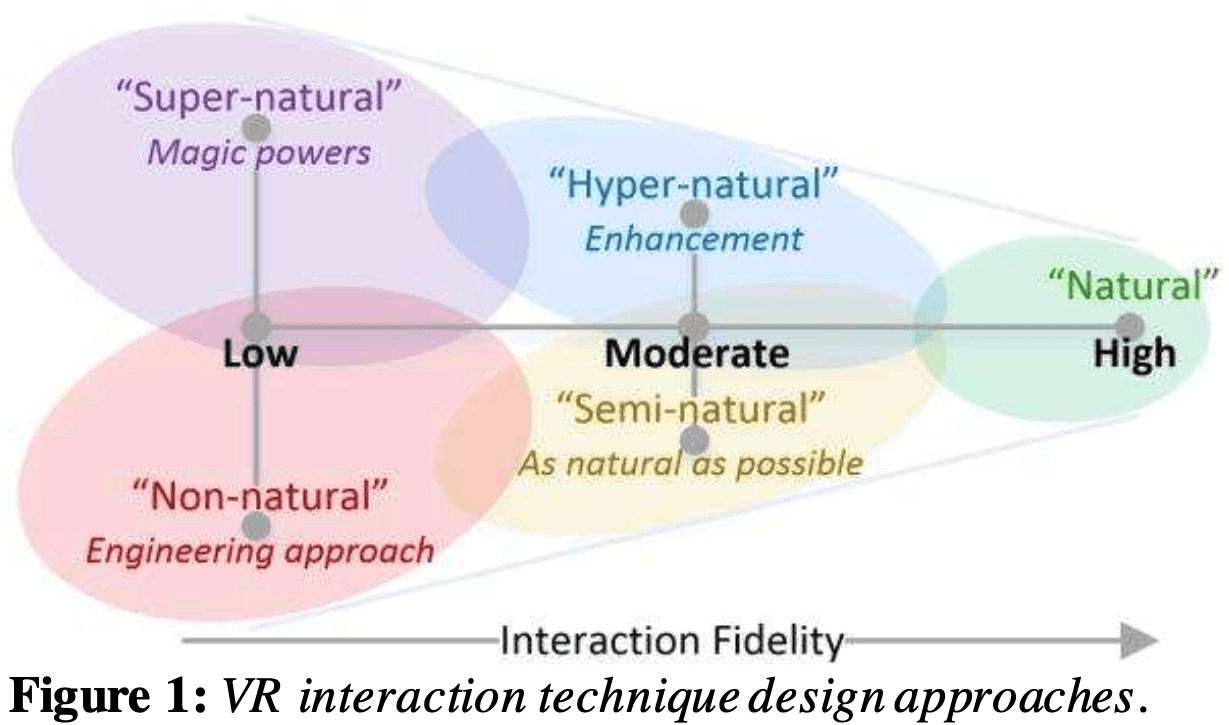
We focused on direct manipulation with continuous feedback.
Principles:
Visible, interactive controls
Real-time response
Consistent interaction patterns
What I Built
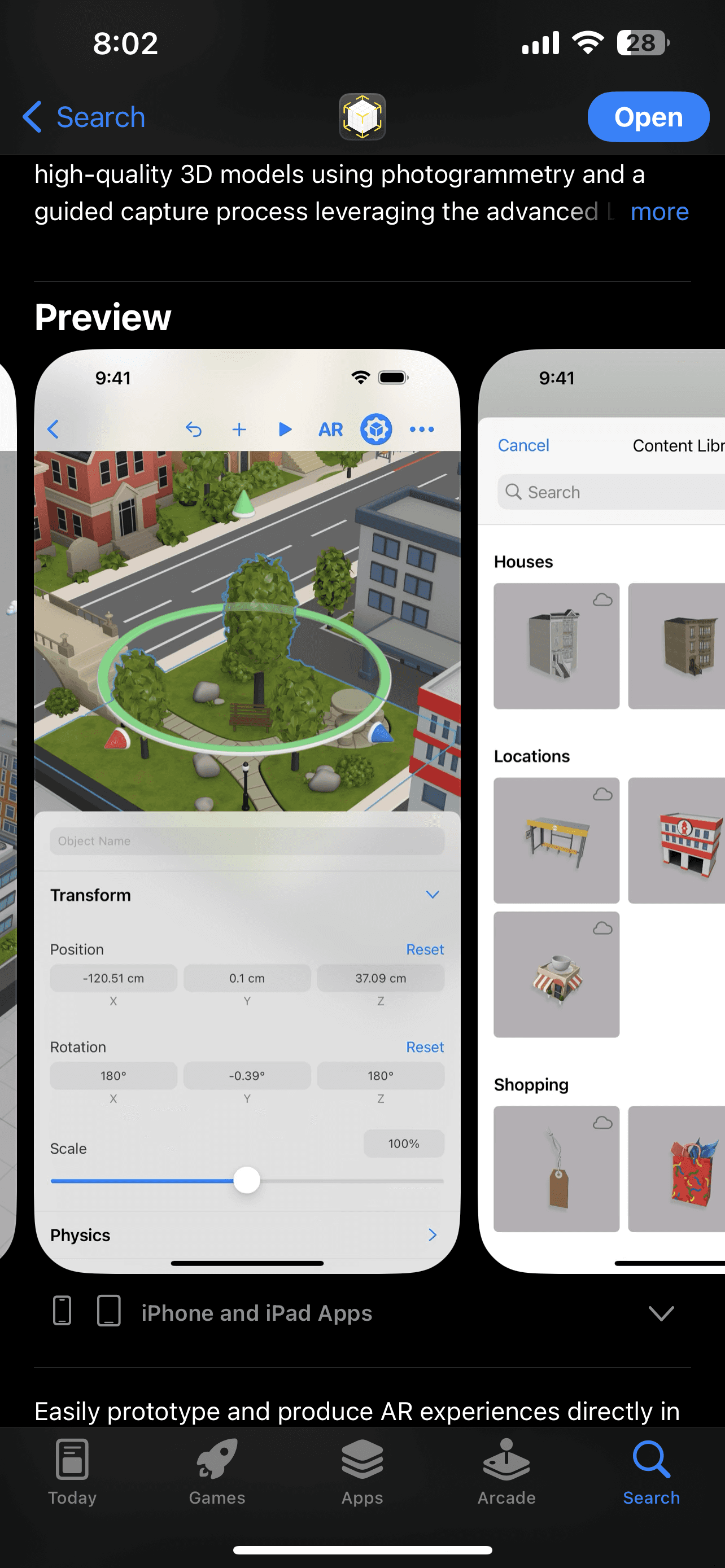
3D transformation system (translate, rotate, scale)
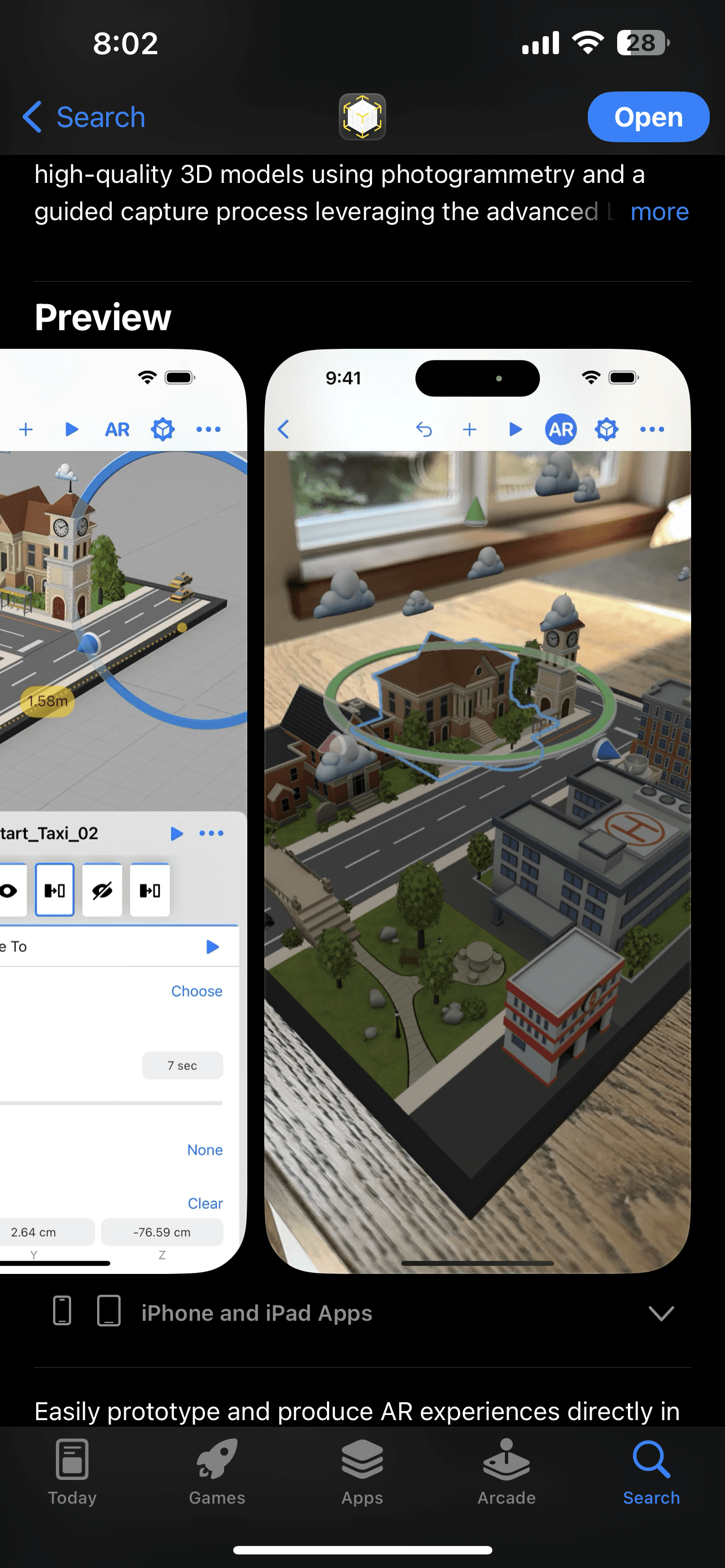
Visual gizmos for direct manipulation
Real-time feedback for positioning and alignment
Lighting and scene controls
User Experience Research
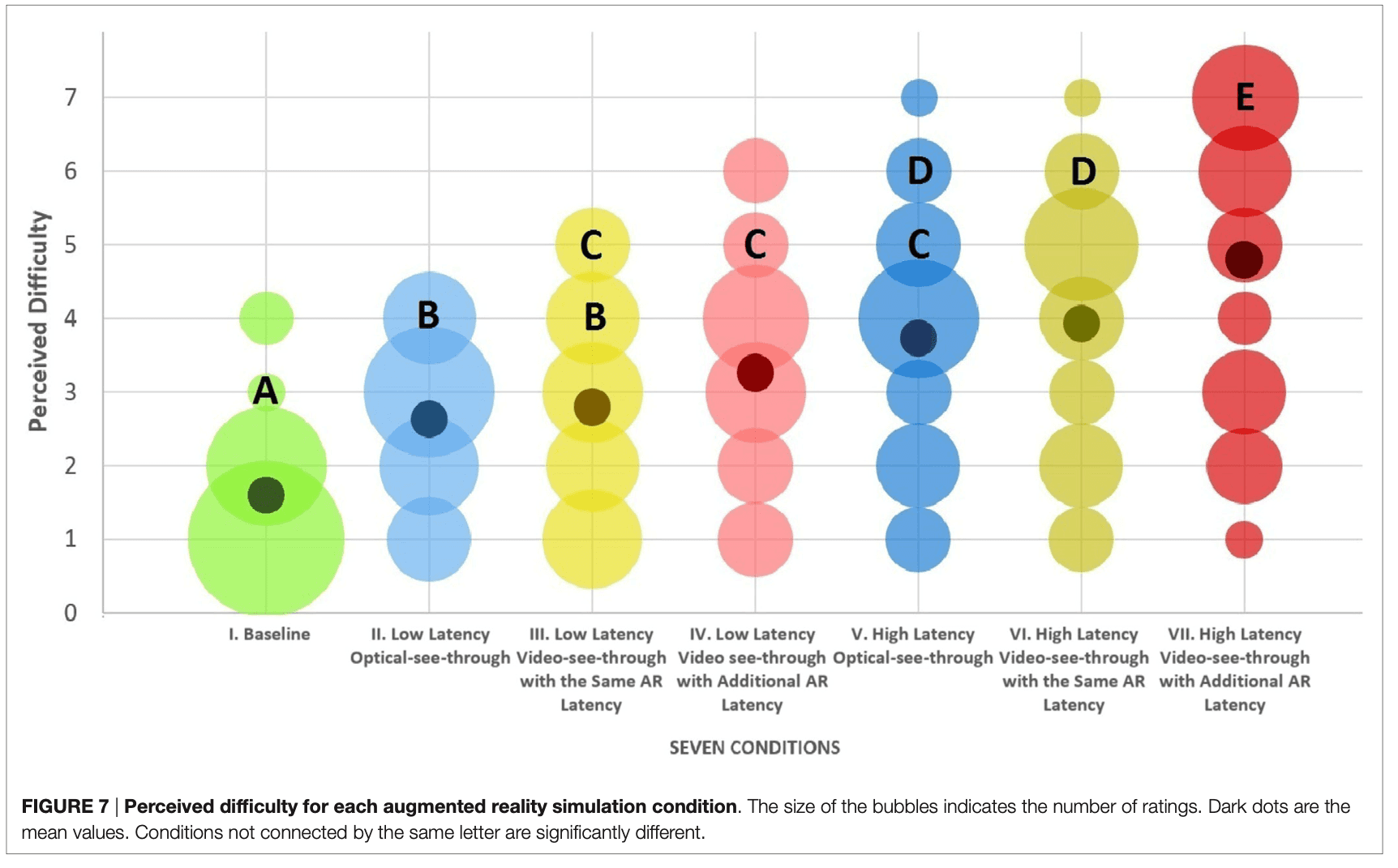
Through iterative prototyping and usability testing, we identified key friction points.
Insights:
Visual cues are essential for depth
Responsiveness defines usability
Complexity reduces adoption
Interaction delays break the sense of control
My Role
I conducted UX research and technical design, and contributed to the implementation of core 3D UI and interaction mechanics shipped across iOS and macOS.
Designed 3D interaction systems
Implemented real-time prototypes
Conducted usability evaluations
Collaborated across product, design and engineering
Impact
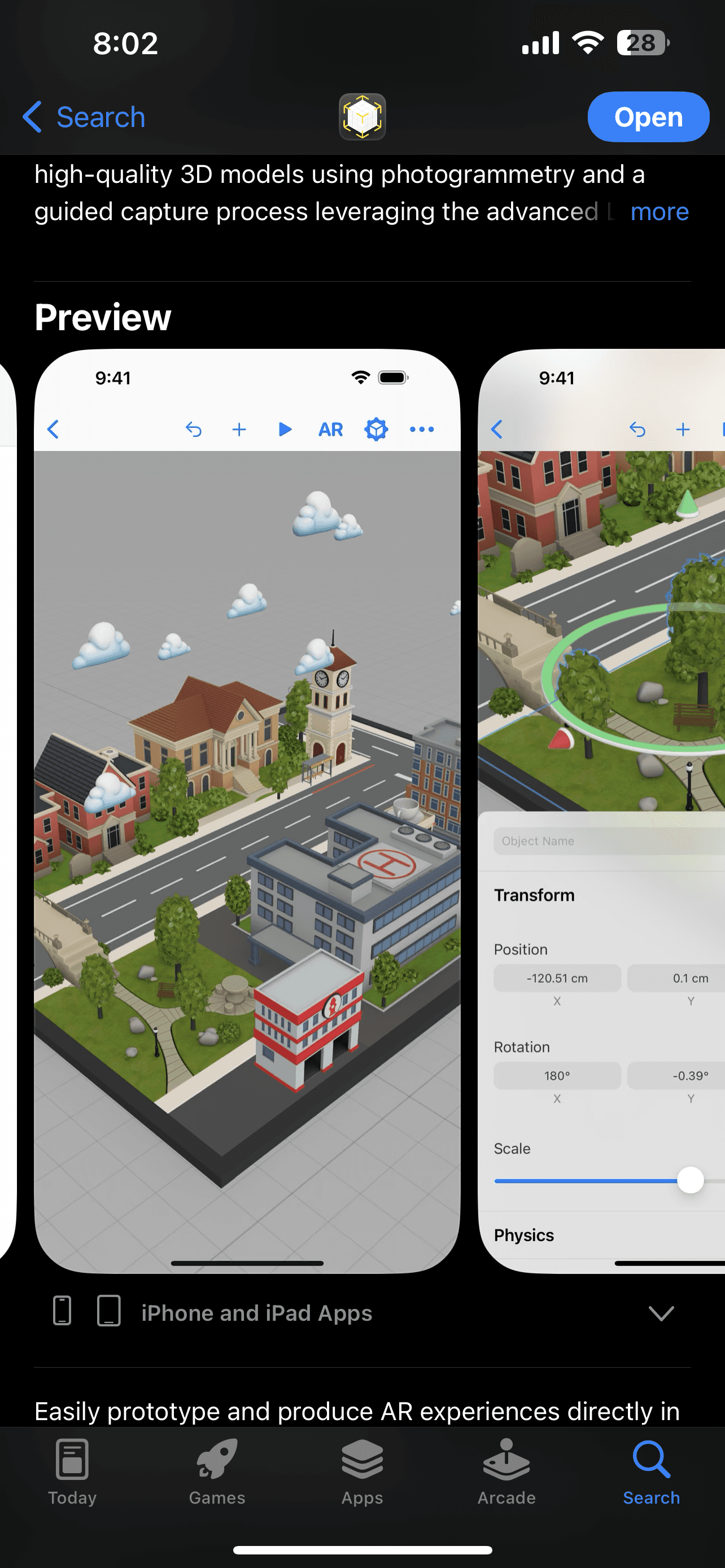
Shipped as part of Reality Composer on iOS and macOS
Enabled developers and designers to prototype AR experiences visually
Reduced the barrier to entry for spatial content creation
Adopted by a broad range of users from beginners to advanced creators
Reflection
Effective 3D tools reduce complexity without removing control. By focusing on clarity, feedback, and consistency, we turned a technically complex process into an approachable creative tool.